How to turn family recipes into a cookbook that preserves their stories
· Editorial team newswithbenmiami.com
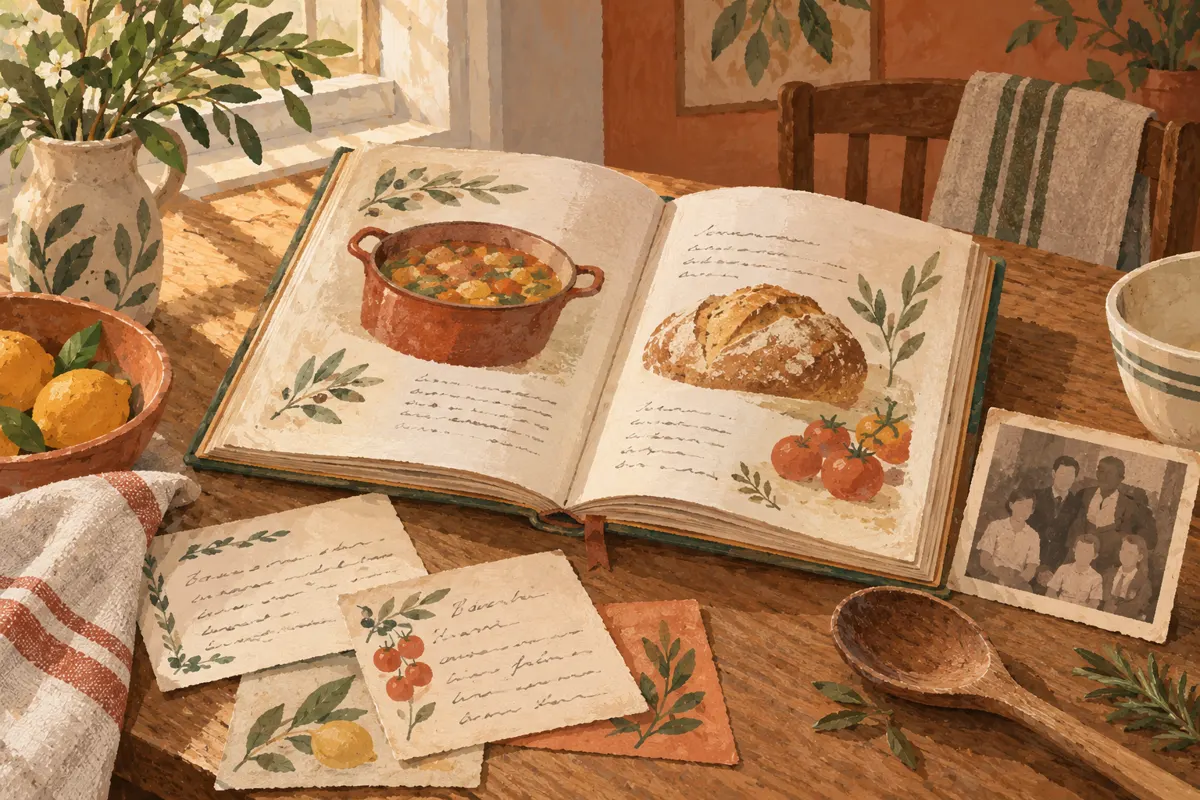
To make a family recipe cookbook, collect each dish with its story, keep a copy of the original recipe, clarify missing instructions, and use a consistent page format. Give relatives a chance to check their contributions before sharing the finished book. The proposed workflow below helps you make something useful in the kitchen while preserving the voices behind the food.
Start with a manageable collection
Choose what the first edition will cover: everyday favorites, holiday dishes, one relative’s cooking, or recipes from several branches of the family. A clear scope makes it easier to finish. You can leave room for another edition instead of waiting until every recipe has been found.
- Choose one person to coordinate submissions and keep the working files together.
- Ask contributors for a recipe, a related memory, and any photograph they want included.
- Set a submission date and offer to transcribe cards or talk through dishes prepared from memory.
- Keep a simple tracking list showing the contributor, recipe title, missing details, and review status.
Photograph or scan handwritten cards before editing them. Store those originals separately from the typed versions, with filenames that identify the dish and contributor. Capture both sides when notes continue on the back.
Ask for memories that belong to the dish
Specific questions give relatives an easier starting point than a general request for a family story. Ask about an occasion, a kitchen habit, or the person who taught them. A short recollection can give a recipe its place in family life without turning every entry into a biography.
- Who taught you to make this, and what do you remember about cooking together?
- When did the family usually serve it?
- Was there a particular bowl, pan, ingredient, or serving ritual?
- What did you change when you began making it yourself?
Preserve distinctive expressions and humor. Edit for clarity, then let the storyteller approve the wording. Attribute memories to the person recalling them, and describe uncertain origins as family recollections. Ask permission before including personal stories or photographs, especially if copies will circulate beyond the family.
Make handwritten instructions usable
Type the recipe as written first, then identify what another cook would need to know. Instructions such as “add flour until right” or “bake until done” need a conversation with someone who knows the dish. Avoid silently guessing quantities, temperatures, or timings.
- Confirm ingredient amounts and whether ingredients are chopped, drained, softened, or otherwise prepared.
- Ask about pan size, oven temperature, yield, and the order of the steps.
- Record observable cues, such as the intended dough texture or appearance at the end of cooking.
- Mark unresolved details in the draft so they cannot be mistaken for confirmed instructions.
If possible, have a relative cook from the typed version and note where they need extra explanation. Record any resulting changes separately. When two relatives make different versions, credit both or add a clearly attributed variation instead of deciding that one is the family’s only authentic recipe.
Use a repeatable page format
A proposed page template is: dish name, contributor, short memory, yield, ingredients, numbered method, and optional variations. Use the same order throughout. Keep ingredients in the order they appear in the method, and use consistent measurement abbreviations while retaining the contributor’s language in the story.
Place a photograph of an original card beside the readable transcription when space allows. Caption family photographs with names and occasions; leave uncertain dates unspecified. Longer memories can have their own pages. Cookbook services described in the supplied sources support combinations of recipes, photographs, and story pages.
Organize chapters around how readers will find dishes: meal type, occasions, or contributors. If you choose an occasion-based structure, add an alphabetical recipe index so a reader can locate a dish without remembering its chapter.
Review, share, and keep the originals
Send each contributor their pages for a final check of names, memories, ingredients, and instructions. Then review the complete book for missing steps, repeated recipes, readable type, and correct page references. Print a few sample pages at the intended size to judge whether they are comfortable to read.
Choose a binder, printed book, or digital document according to how your family will use it. A binder allows additions; a digital document is easy to share. Before ordering printed copies, check the provider’s specifications and inspect a proof. Keep the editable file, final version, original scans, and photographs in a shared archive, with another copy stored separately. Include an edition date so future corrections have a clear starting point.