How to reduce packaging waste when packing lunch
· Editorial team newswithbenmiami.com
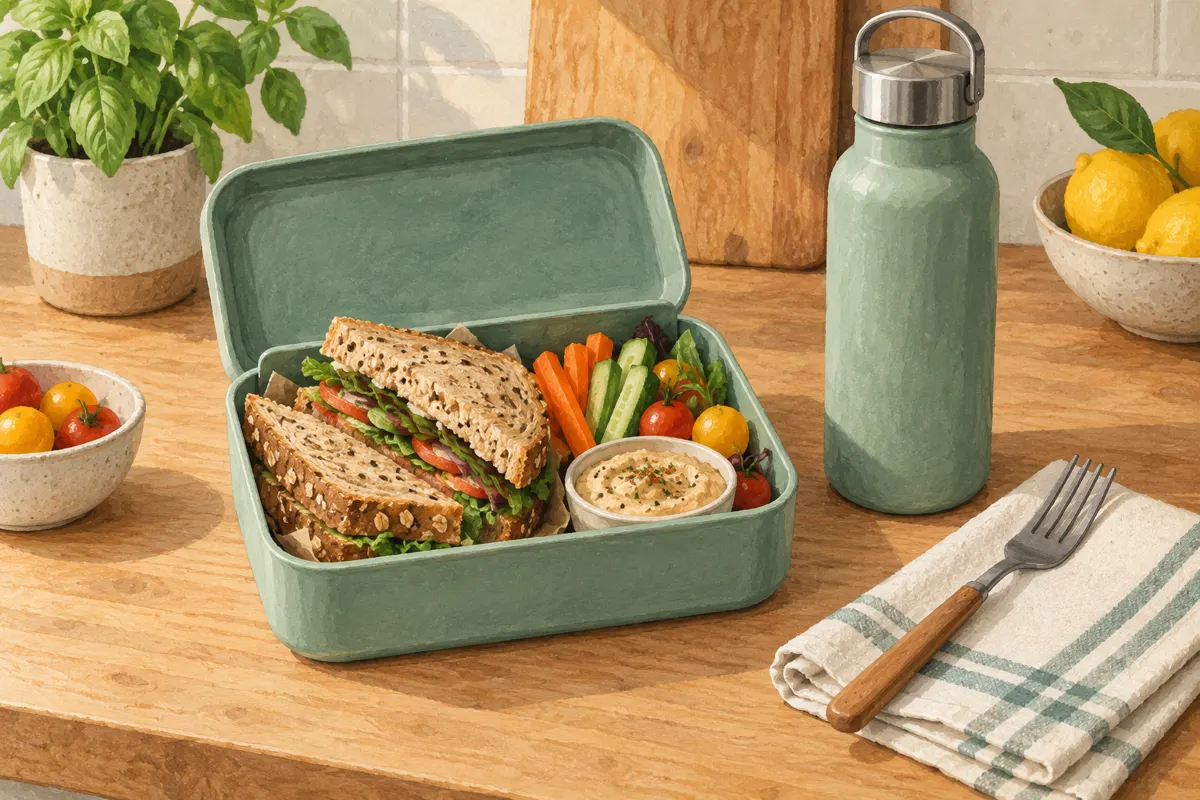
To reduce packaging waste when packing lunch, put food directly into reusable containers, portion snacks from larger packs and bring a refillable bottle, everyday cutlery and a cloth napkin. Start with items already at home. The most useful setup is one you can pack, carry, wash and use again without much effort.
Build a small kit from what you already own
Check your cupboards before buying lunch gear. A food-storage box with a matching lid may already hold your sandwich or leftovers. A smaller container can carry dressing or hummus. Keep usable containers in service instead of replacing everything to achieve a particular look.
- Choose a main container that fits both your lunch and your carrying bag.
- Use a secure, leak-resistant container for yogurt, dips or other wet foods.
- Add a refillable bottle, a fork or spoon from your drawer and a washable napkin.
- Use an existing lunch bag or another suitable reusable carrier.
- For children, choose containers they can open independently and follow the school’s rules about glass.
Our suggested starting point is one main box and one small pot. Add another piece only when a regular lunch needs it. A sandwich that fits inside a box does not also need its own disposable wrapper.
Replace the packaging you use most often
Look at what you normally throw away after lunch: sandwich bags, snack wrappers, yogurt cups, drink bottles or disposable utensils. Choose one recurring item to replace first. This makes the change manageable and helps you identify which reusable container you actually need.
- Put sandwiches and wraps directly into a food box.
- Spoon yogurt or applesauce into a suitable lidded container instead of packing individual cups or pouches.
- Portion crackers or other dry snacks into a small box or washable snack bag.
- Carry dips and dressing in a separate sealed pot.
- Fill a reusable bottle instead of adding a single-use drink container.
Match the container to the food. A divided box can keep dry ingredients apart, but its compartments may not contain liquids. Keep dressing separate when you want salad leaves or crackers to stay crisp.
Buy shared portions with a plan to use them
Lunch packaging starts at the grocery store. Buying a shared tub of yogurt or a larger bag of snacks lets you portion several lunches at home instead of relying on individually wrapped servings. Larger packs still create packaging waste, so consider both the outer package and any wrappers inside.
Our proposal is to plan a few lunches around overlapping ingredients before shopping. For example, vegetables can accompany hummus one day and go into a pasta salad another day. Choose quantities your household will eat; an oversized pack is not useful if much of the food goes unused.
Where a shop offers bulk food and accepts customers’ containers, ask how weighing works before filling yours. You can also reduce individual lunch wrappers using ordinary groceries and home-prepared food without finding a specialist store.
Make packing part of your evening routine
A repeatable routine makes reusable lunch gear easier to remember. Our suggested sequence connects lunch preparation with tasks you already do after dinner:
- Choose tomorrow’s lunch using ingredients you have.
- Set out the main box, snack container and any utensils needed.
- Portion dry snacks and prepare suitable ingredients ahead.
- Keep foods that need refrigeration in the refrigerator until packing.
- Before leaving, add your bottle, cloth napkin and any remaining food.
Sandwiches are only one option. Pasta salad, vegetables with hummus, or yogurt with fruit and separately packed granola can also work. Choose meals you enjoy and containers that make them convenient to carry.
Bring everything home and reset the kit
After lunch, return utensils, containers and the napkin to the bag. At home, empty the bag, wash containers according to their care instructions and let them dry before storing. Put lids beside their matching boxes so the next packing session starts with a complete kit.
Keep washable napkins with your lunch supplies and include used ones in your laundry routine. If you compost, an empty lunch container can carry suitable food scraps home. Our proposal is to judge progress by the disposable items you stop using regularly, without requiring every lunch to be completely waste-free.