How to plan a food-focused day trip without overpacking the schedule
· Editorial team newswithbenmiami.com
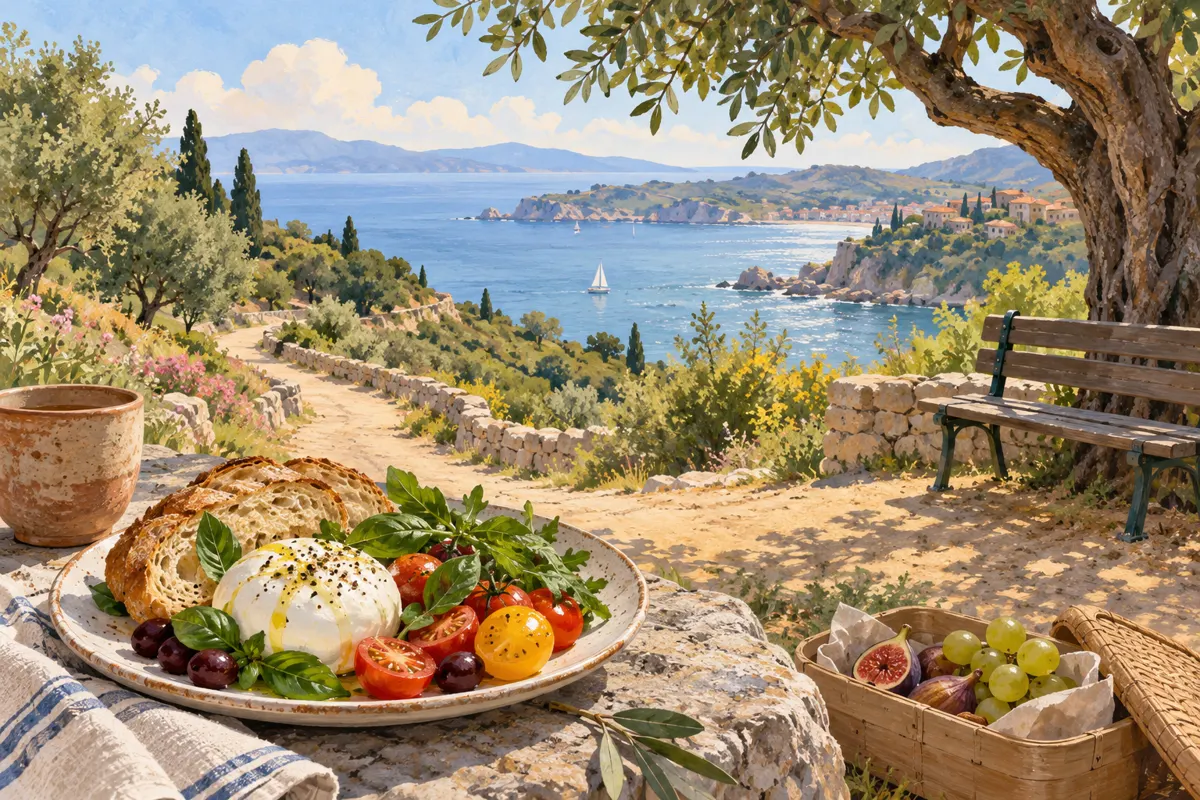
Plan a food-focused day trip around one meal you really want, a nearby area to explore on foot and one optional snack stop. Keep the rest flexible. This proposed approach gives the day a clear purpose while leaving room for a slow lunch, a heat break or a change of appetite.
Choose one meal to anchor the day
Start with the food experience that matters most to you: a particular dish, a leisurely lunch or a cooking class that includes a meal. Food travel can include markets, tastings and hands-on activities, but a single day does not need to contain all of them. Choose one priority before adding anything else.
Check the venue’s own information for opening hours, the menu served at your preferred time and reservation requirements. If you book, note the cancellation terms and arrival instructions. A reservation can help avoid spending your limited day-trip time waiting for the meal you came for.
Agree on a comfortable spending limit before choosing the anchor. Include transportation and any optional extras in the day’s budget. For a group, make sure everyone can find something suitable on the menu before committing.
Build the outing around one walkable area
Once you have chosen the meal, look at what surrounds it. The proposed goal is a compact outing: an arrival point, a pleasant walk, the anchor venue and somewhere to sit afterward. Save distant food stops for another trip instead of adding repeated drives or transit connections.
- Check the walking route, including crossings and access needs, rather than judging distance only from map pins.
- Identify a shaded or indoor place where the group can pause.
- Choose one nearby alternative meal venue in case the original plan falls through.
- Keep the optional snack on the same route, so skipping it does not disrupt the day.
A market can provide something to browse without requiring another full meal. Check its operating day and hours before making it part of the route. Leave room to look around without turning every stall into a required tasting.
Leave gaps for weather and delays
Set the meal time and a realistic departure window, then keep the intervening activities loose. Allow for the journey from your arrival point to the restaurant, including parking or finding the entrance. Avoid placing a timed activity immediately after lunch when you cannot know how long service will take.
For a Miami outing, include a heat-break option when planning outdoor walking. Check the forecast before leaving and decide which part of the route you can shorten or replace with an indoor pause. Carry water and keep the break available even if you skip the snack.
Choose a simple rule in advance: if travel runs late, drop the pre-meal browse; if lunch runs long, drop the snack. Removing an optional stop is easier than rushing through the experience that motivated the trip.
Make the snack fit everyone’s appetite
Pick one possible snack stop, then decide after the anchor meal whether anyone wants it. Small orders and shared dishes can help a tasting outing stay manageable, provided sharing suits everyone’s preferences and dietary needs. Nobody needs to order food simply to complete the itinerary.
Discuss allergies, dietary restrictions and meal timing before departure. Check relevant questions directly with the venue. If appetites differ, let one person have a snack while another takes a seated break. Keep breakfast appropriate to your normal needs rather than treating the anchor meal as a reason to arrive uncomfortably hungry.
Use a short, reusable planning template
Copy this proposed template into a note and fill in only what you need. Keep backup choices nearby and avoid turning them into additional obligations.
- Anchor meal: venue, meal time, booking details, dietary checks and spending limit.
- Arrival: transport plan, arrival point and enough time to reach the meal comfortably.
- Loose activity: one nearby walk or browse that can be shortened or skipped.
- Comfort break: a shaded or indoor resting place, plus a wet-weather alternative.
- Optional snack: one nearby choice, decided after the meal according to appetite.
- Return: departure window and the first optional activity to drop if time runs short.
Before leaving, confirm the anchor venue’s details and check transport and weather. Then let the day unfold within that simple structure. A satisfying meal and an unhurried neighborhood walk are enough to make the outing feel complete.