How to organize a lunch swap with coworkers
· Editorial team newswithbenmiami.com
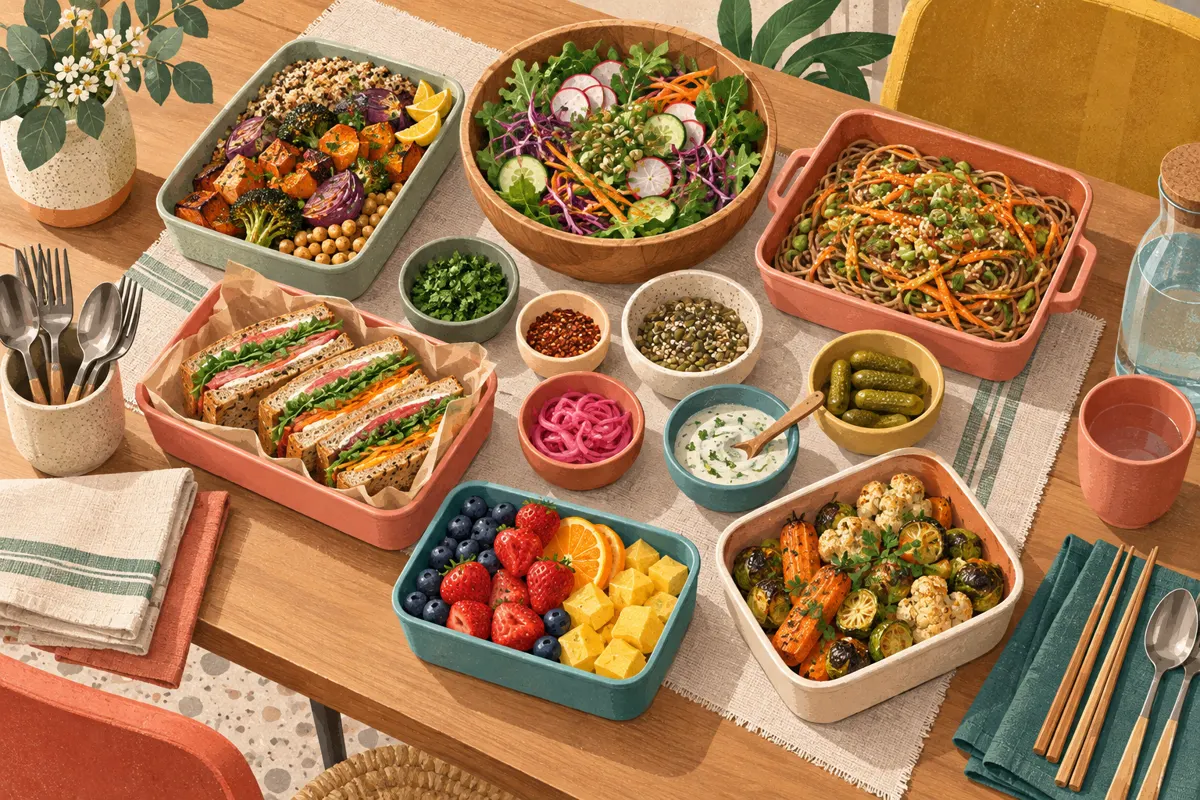
To organize a lunch swap at work, gather a small voluntary group, agree on food requirements and portions, and assign one person to bring lunch for everyone on each swap day. Put the schedule in a shared calendar and decide how cancellations will work before starting. A lunch swap can also run as a potluck, but a single-cook rotation keeps responsibilities easy to follow.
Start with a small, voluntary group
Invite coworkers who want to participate and can manage roughly the same commitment. Sharing an office does not necessarily mean sharing lunch hours, tastes or cooking capacity. Before setting dates, check when people are usually onsite and whether they have time to prepare a group meal.
Suggested starting format: three or four coworkers, one shared lunch each week, with the cook changing each time. Try one full rotation before deciding whether to add days or people. This gives everyone a turn without immediately committing the group to daily lunches.
- Which days and lunch times work for everyone.
- Whether one cook supplies the whole meal or participants bring assigned dishes.
- What kitchen, refrigerator and reheating facilities are available.
- How someone can pause or leave the group without pressure.
Agree on portions and ingredient labels
Define a portion as a complete lunch rather than a tasting sample. Suggested rule: the assigned cook brings one portion for each confirmed participant, including themselves. State whether bread, toppings or side dishes are included so nobody arrives expecting a full meal and receives only a small bowl of soup.
Ask participants to share dietary restrictions and ingredients they need to avoid. Distinguish requirements from preferences: an allergy needs a different conversation from a dislike of cilantro. If the group cannot confidently accommodate someone's requirements, agree on a separate lunch arrangement without making participation awkward.
Suggested labeling practice: send the dish name and full ingredient list before the swap, including ingredients in sauces, dressings and packaged components. Bring the same information with the food. Keep optional toppings separate where practical, but do not present that separation as a guarantee that a meal is suitable for someone with an allergy.
Create a rotation everyone can follow
Use one shared calendar or message thread for assignments. Bon Appétit's lunch-swap example uses advance scheduling and calendar reminders, while allowing cooking days to change with people's plans. The useful principle is to make the next cook visible and leave room for agreed changes.
- Choose the next swap date and assign a cook.
- Set a deadline for participants to confirm attendance before shopping begins.
- Have the cook post the menu, ingredients and any reheating needs.
- Record changes in the same thread or calendar so everyone sees the latest plan.
- Move to the next person after each completed cooking turn.
For hybrid teams, base the portion count on confirmed attendance. Avoid assuming that everyone will be in the office simply because they joined the group.
Choose meals that fit the office
Keep the cooking manageable. The supplied sources suggest uncomplicated shared meals, dishes that work cold or can be reheated, and meals with separate toppings. Think about carrying containers, refrigerator space and the microwave queue before choosing a recipe.
- Grain bowls with vegetables, beans and dressing packed separately.
- Chili with individually chosen toppings.
- A substantial salad with its dressing added at lunchtime.
- Sandwich components assembled when the group sits down.
Agree who brings serving utensils, plates and containers for leftovers, and who handles cleanup. Let each cook choose a manageable recipe within the group's requirements; lunch should not become a cooking competition.
Make cancellations easy to handle
Suggested cancellation rule: anyone who cannot attend posts in the shared thread as soon as they know. Before the attendance deadline, the cook adjusts quantities. After that deadline, the group agrees what to do with the extra portion without expecting the cook to undo their shopping or preparation.
If the cook cancels, ask whether another participant wants to exchange turns. If nobody volunteers, cancel that day's swap and have everyone arrange their own lunch. A replacement meal can be an option if the group agrees, but it should not be an automatic expense.
After the first rotation, check whether portions, preparation effort and scheduling felt reasonable. Adjust one or two rules together, then confirm the next dates. Keep the arrangement voluntary and simple enough that people want to continue.